 BetaLife Advances A Step Closer to First-In-Human Trials with Clinical Partnership Strengthened and GMP Manufacturing Hub Established in China
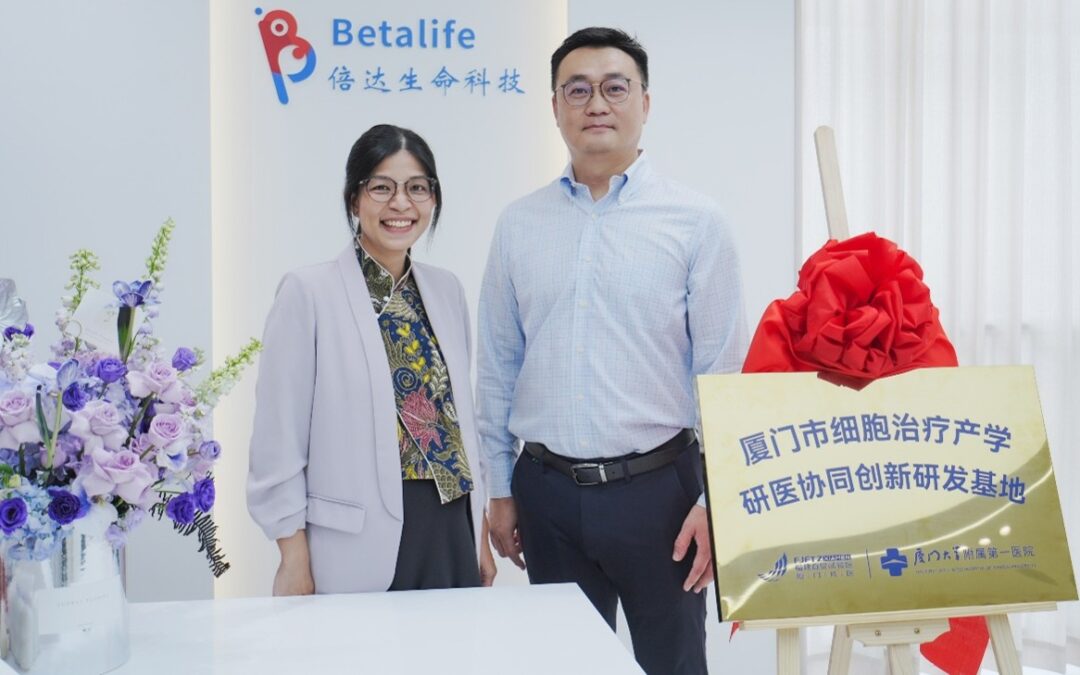
Singapore and Xiamen, China — 14 July 2026 — BetaLife has reached a major milestone in its China expansion with the official launch of the Xiamen Cell Therapy Translational Research and Collaborative Innovation Hub in the Xiamen Free Trade Zone.
 Strategic clinical collaboration reaffirmed with the First Affiliated Hospital of Xiamen University
 New 1,400m² GMP facility in Xiamen to manufacture and translate iPSC-based therapies through China’s accelerated regulatory pathways
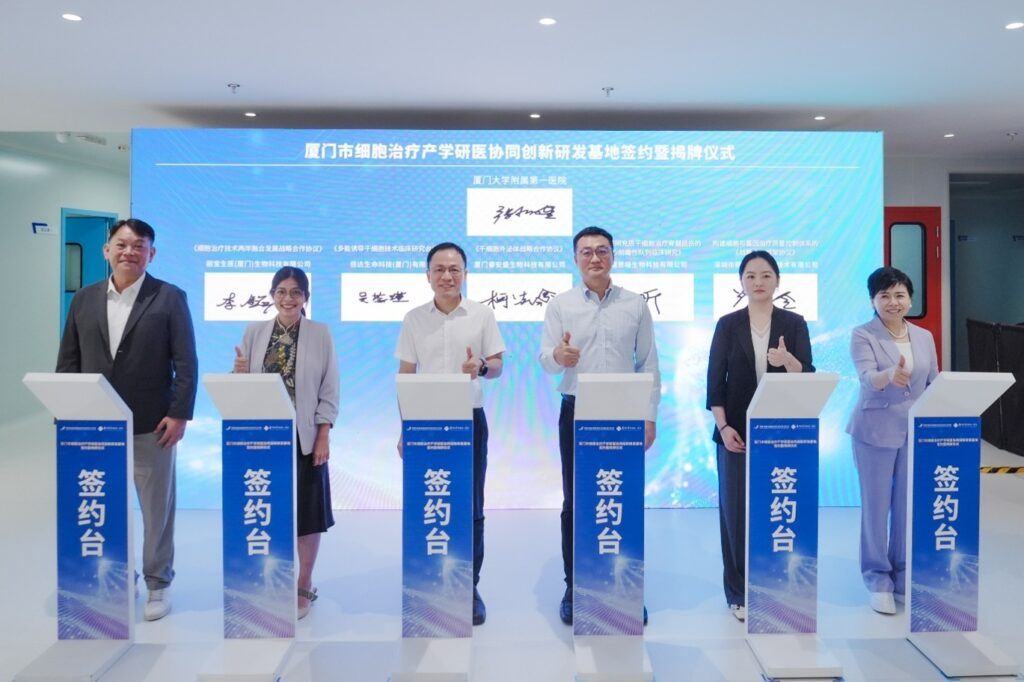
During the launch ceremony, BetaLife signed a strategic collaboration agreement with the First Affiliated Hospital of Xiamen University
This milestone marks BetaLife’s transition from market entry to on-the-ground execution and clinical-grade manufacturing in China to advance the clinical translation of iPSC-based therapies for diabetes. The clinical work is supported by a top tier local institution with specific experience in cell therapies, local government stakeholders and a third party quality testing CRO platform. The collaboration is expected to support clinical planning, patient recruitment preparation and the development of BetaLife’s planned investigator-initiated trial (IIT).
Establishing an Integrated Clinical Translation Platform
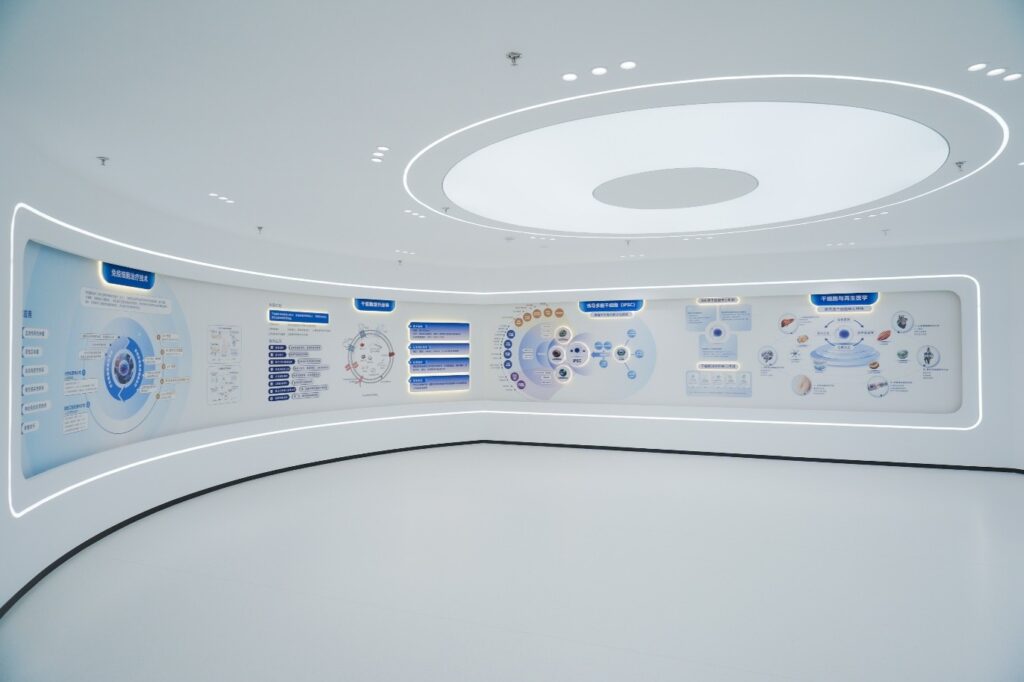
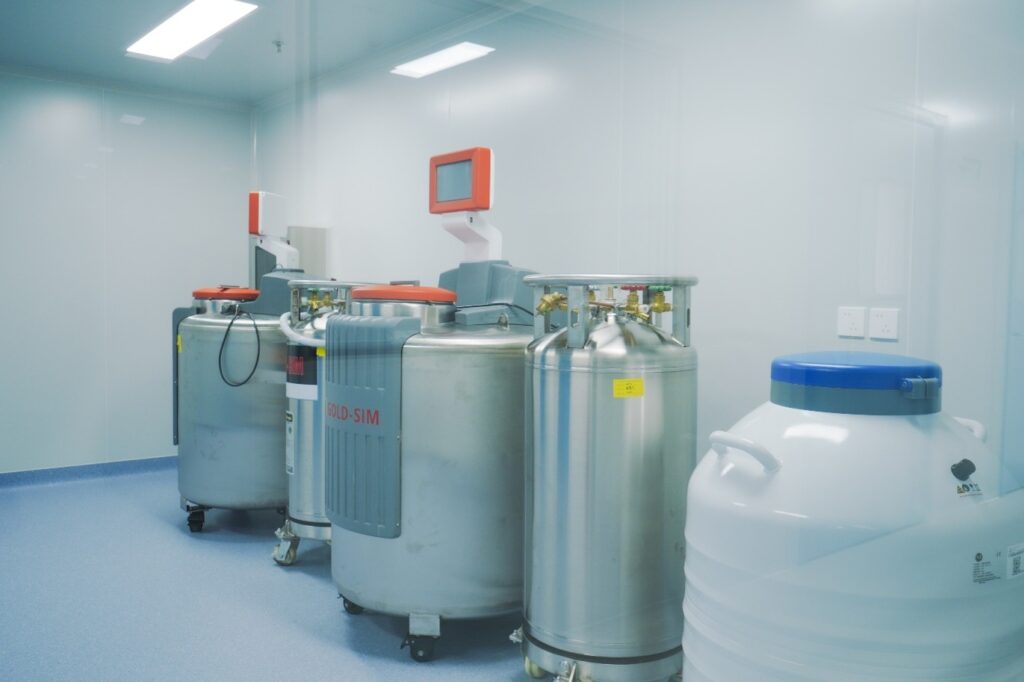
The 1,400 m² Hub features #four Grade B+A GMP cleanroom suites, #four molecular biology and QC suites, and #two tissue culture research suites. The facility also houses dedicated flow cytometry and PCR laboratories, providing an integrated platform for clinical grade manufacturing, quality testing and clinical research.
The Hub supports four core technology areas:
- Mesenchymal stem cells (MSCs)
- Induced pluripotent stem cells (iPSCs)
- Extracellular vesicles
- Immune cells
By combining clinical-grade manufacturing infrastructure with hospital-based clinical expertise and third-party quality testing capabilities, the platform is designed to address a critical gap between laboratory research and clinical translation.

Building BetaLife’s Operational Presence in China
BetaLife formally established its China presence in Q3 2025 through a joint venture in Shenzhen and a subsidiary in Xiamen. These entities provide the local operational foundation for technology transfer, clinical development, manufacturing and commercial expansion.
Since then, BetaLife Xiamen has established the first local human autologous iPSC bank and commenced preparations for the clinical translation of its iPSC-derived pancreatic islet cell therapy. Current activities include patient recruitment preparation, multi-batch manufacturing and testing, and toxicology studies supporting a planned IIT in diabetes.
BetaLife’s programme is focused on developing iPSC-derived pancreatic islet cells that can restore glucose-responsive insulin production in patients with severe insulin-dependent diabetes (Type 1 / Type 2 diabetes). The objective of the planned clinical study is to generate early human safety and efficacy evidence while further strengthening the manufacturing and quality systems required for subsequent regulatory development.
A Timely Regulatory Environment
This progress comes at a particularly important time for biomedical innovation in China.
China’s State Council Order No. 818, formally titled the Regulations on the Administration of Clinical Study and Clinical Translation and Application of New Biomedical Technologies, took effect on 1 May 2026. The regulation establishes a formal framework under which eligible advanced biomedical technologies may progress from governed clinical research towards regulated clinical translation at qualified medical institutions after demonstrating safety and preliminary efficacy.
This hospital-based translational framework complements the conventional drug-development and registration pathway administered by the National Medical Products Administration (NMPA). For cell and gene therapy developers, it provides greater regulatory clarity around the clinical evaluation and potential translation of qualifying biomedical technologies.
By combining its scientific and technical capabilities in Singapore with China’s manufacturing, preclinical and hospital-based clinical ecosystem, BetaLife is building an integrated cross-border development pathway — from scientific discovery and process development to clinical-grade production and human clinical evidence.
Connecting Singapore Innovation with China’s Clinical Ecosystem
BetaLife’s initial entry and growing traction in China were supported by the Global Innovation Alliance × DayDayUp Acceleration Programme, an initiative under Enterprise Singapore. Building on this foundation, BetaLife has progressed from market exploration to establishing local entities, manufacturing infrastructure and strategic clinical partnerships.
“More than establishing a facility or subsidiary, we are building an integrated pathway to translate our iPSC science into clinical-grade products and meaningful human clinical evidence,” said Dr Natasha Ng, CEO of BetaLife. “Together with our clinical, government and industry partners, we aim to bring iPSC-derived islet cell therapies closer to patients with server insulin-dependent diabetes.”
BetaLife welcomes opportunities for clinical collaboration, manufacturing partnerships (CDMO), technology development and investment.
About BetaLife
BetaLife is a Singapore-headquartered biotechnology company developing iPSC-derived pancreatic islet cell therapies for diabetes. Originating from Singapore’s scientific research ecosystem, the company is building an integrated platform spanning iPSC generation, pancreatic islet differentiation, hypoimmune engineering, scalable manufacturing and clinical translation.
BetaLife aims to develop a renewable and scalable source of functional pancreatic islet cells that could restore insulin production and improve outcomes for patients with severe insulin-dependent diabetes.